
During my time working in democracy-building across West Africa, I learned one rule: keep an eye on Mali.
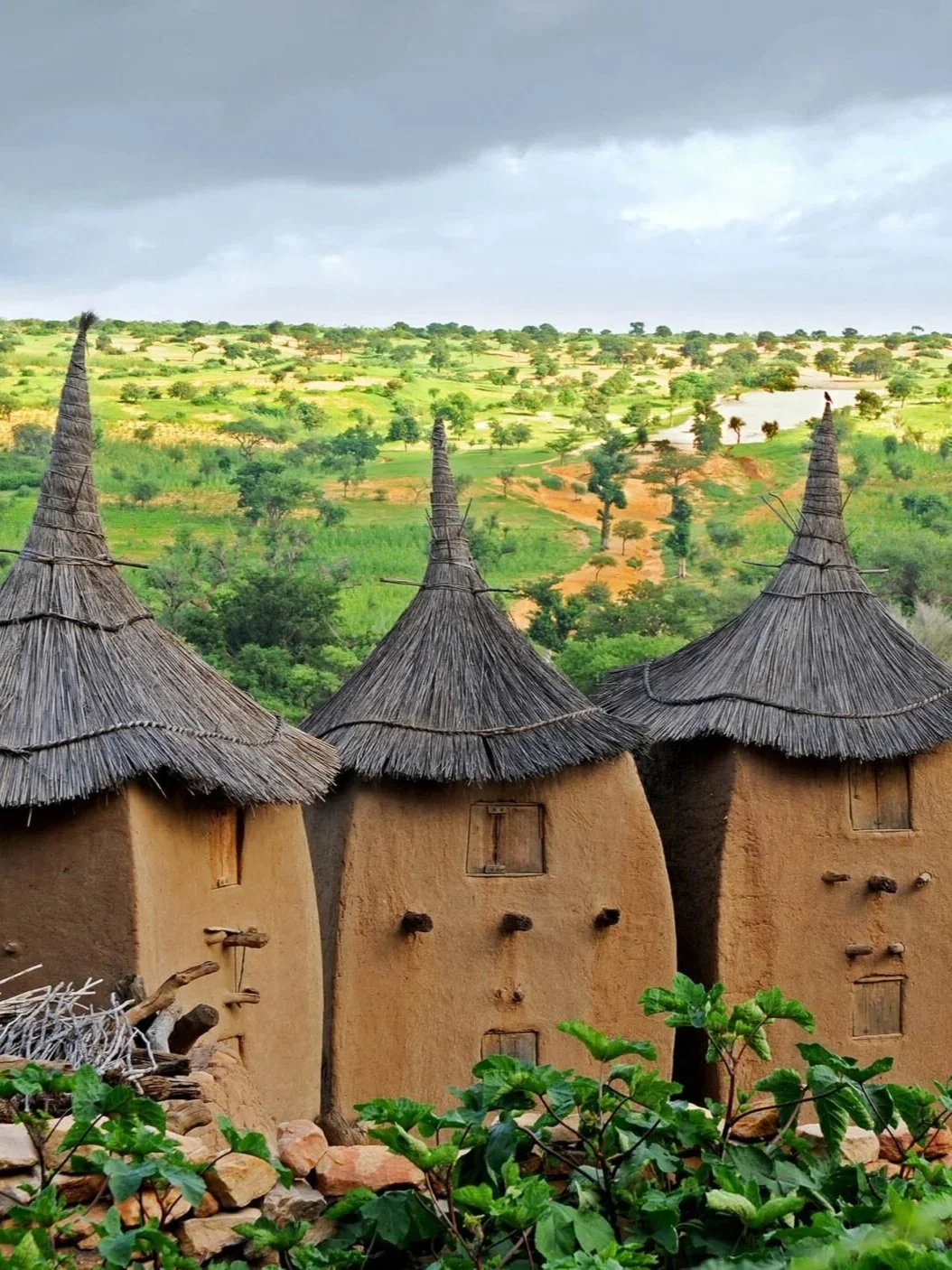
Mali is a large, landlocked country in West Africa. It is situated in a region known as the Sahel, a wide strip of land just south of the Sahara where desert gives way to red soil, scrubland, and baobab trees.
While the Sahel is comprised of over a dozen different countries, perhaps none are more influential than Mali.
For centuries, Mali has been a crossroads. A place where nomadic life meets settled farming and herding communities. Camel caravans crossed the Sahara into Mali carrying gold and religious scholarship, and cities like Timbuktu grew into meeting points for traders and scholars from both sides of the desert. The Niger River linked the desert north to the farmland of the south.
While the Sahel is comprised of over a dozen different countries, perhaps none are more influential than Mali. During the medieval empire of Mali, Timbuktu became a center of trade and religious scholarship. The empire spread its language, folklore, traditions, and even clan names across the region, and much of the Sahel still carries them today.
In 1991, after 31 years of dictatorship, Mali became the first country in the Sahel to transition to democracy. While other countries in the region followed, their militaries held on to power much longer before giving way to civilian rule.
However, Mali’s pull works in the other direction too. In 2020 and 2021, after nearly a decade of failing to contain separatists and jihadist groups in the north, Assimi Goïta led two coups, putting him at the head of a military government. Burkina Faso, Guinea, and Niger soon had coups of their own. Mali expelled French forces, turned to Russia for military support, and sent the UN peacekeeping mission home, and Burkina Faso and Niger soon cut ties with France and turned to Russia as well. In 2023, the three countries formed the Alliance of Sahel States, with Bamako as its capital.
That is why Mali Rising works in Mali.
“What takes root in Mali does not stay there.”
If Mali sets the course for the Sahel, then Mali is where lasting change has to start. The region’s biggest political shifts of the past 35 years, from the return to democracy in 1991 to the wave of coups that began in 2020, started in Mali before they spread to its neighbors. What takes root in Mali does not stay there.
Today, Mali’s future is being decided far from Bamako. Drought is pushing families off their land and into competition for grazing land. Armed groups find recruits in places the state has never fully reached, and military sweeps that harm civilians push more people toward them. Aid organizations struggle to operate, and government money is going to the war. The rural villages that governments struggle to reach are where this conflict will be won or lost, and they are also the places where children are least likely to stay in school.
That is where we choose to work. A middle school in a rural village is a lasting sign that someone is investing in that community’s future. It gives young people a reason to build their lives at home and the skills to lead their own communities. And because the work is Malian-led and rooted in each village, it does not depend on who holds power in Bamako or which foreign partners come and go.
Mali has always projected a role larger than itself. If its next chapter is going to look different from its last, the students in those villages will be the ones to write it.
Education opens doors. In a country that sets the course for its neighbors, the students walking through those doors today will help decide where the whole region goes next.